The percentage of
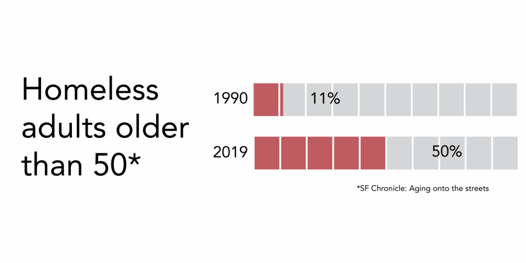
older homeless adults is growing at an alarming rate. In the Bay Area, the
representation of homeless adults older than 50 has gone from 11% in 1990 to
23% in 2003 and is currently estimated at 50%. We have been seeing this
reflected in the population we serve as well. In 2016, 23% of those BFHP served were over the age of 55. In 2018, 36% of our clients were over the age of 55.
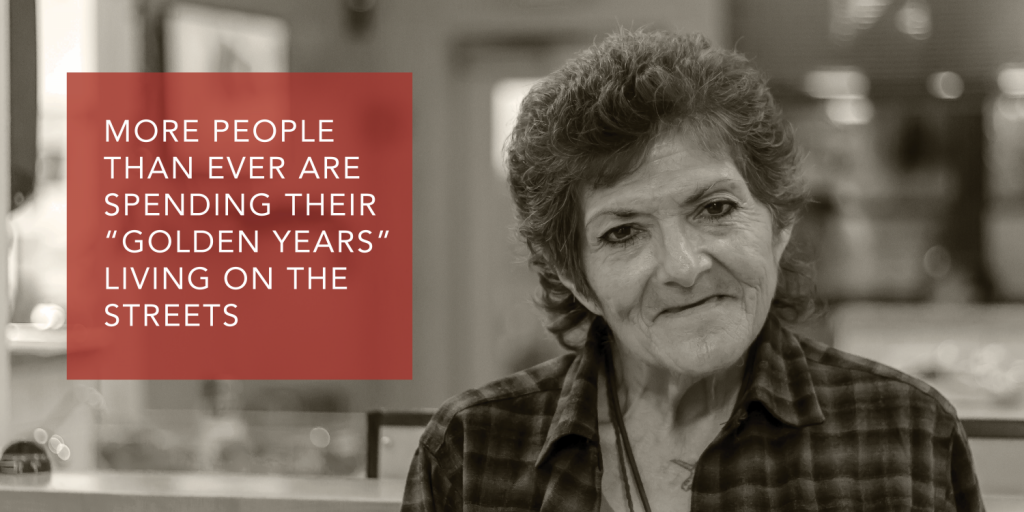
The increase is, in part, due to the aging of the existing homeless population, in parallel with the aging of the general population, but more seniors are also falling into homelessness due to the increasing cost of living in the Bay Area. A recent UCSF study conducted in Oakland found that nearly half of participants experienced their first episode of homelessness at age 50 or older.
BFHP has served senior and older homeless individuals (aged 50 plus) across its continuum of programs for the past 48 years and is acutely sensitive to their particular needs and challenges. Most people on the street age at a faster rate than a person in housing. Homeless people in their fifties generally display the geriatric difficulties of people age 75 or 80. Imagine that a client is 65 and living in an encampment, the stress of living on the streets takes its toll: concerns for safety, poor nutrition, social isolation, exposure to extreme weather and unsanitary conditions. These conditions age people prematurely, exacerbating both existing health conditions and causing illnesses commonly associated with advanced age. As a result, the mortality rate for older adults experiencing homelessness is 3–4 times that of the general population. According to another recent report, the average life span for a homeless person living on the street is 64 years.
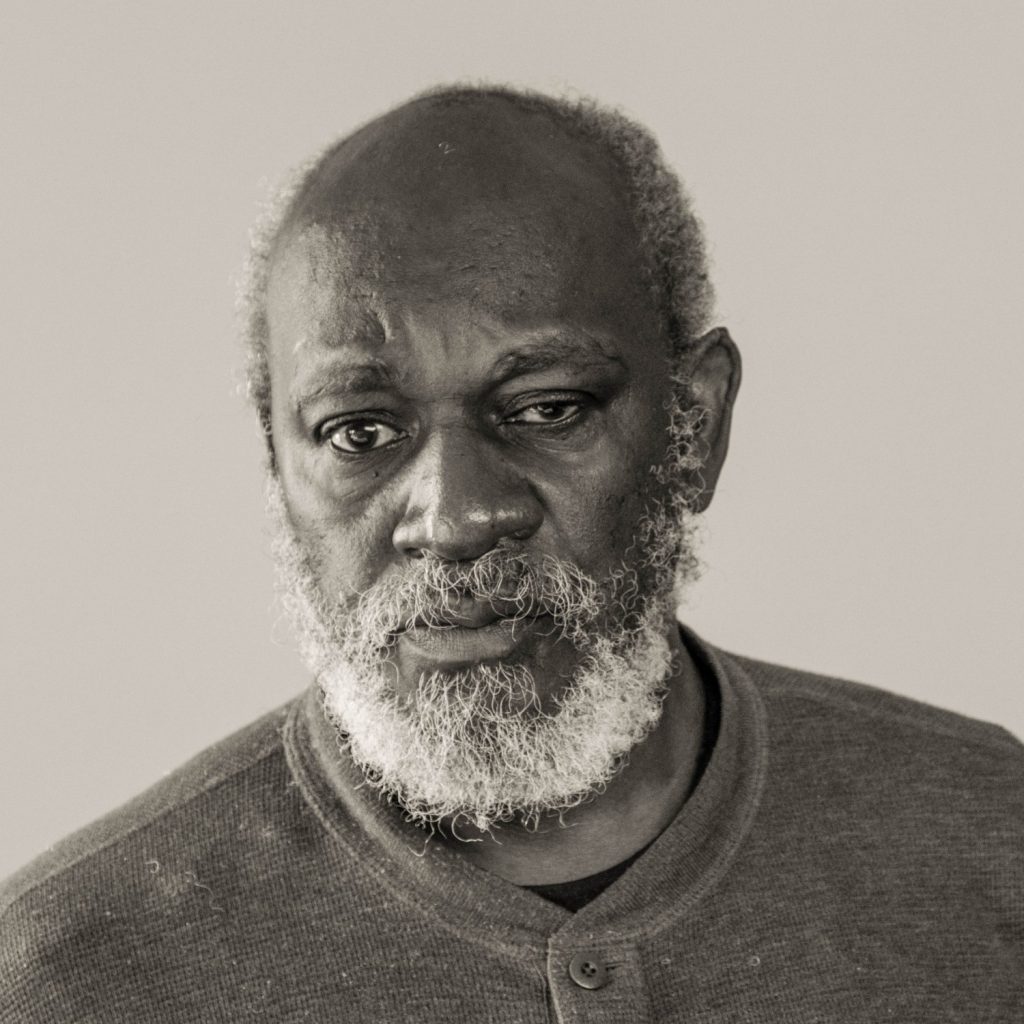
Homeless people in their 50's generally display the geriatric difficulties of housed people age 75 or 80.
For those of us
fortunate enough to be housed, as our family members get older and begin to
become forgetful, frail, or experience other geriatric conditions, we are there
to support them. We take them to the doctor, make sure they take their
medication, help them with meal prep, or In-home Supportive Services. Our homeless seniors are alone. Often they
are estranged from their families, or their families are also struggling
financially and the seniors choose to live on the street rather than be a
burden.
As our clients
increase in age their voice softens, both literally and figuratively. They are
more likely to fade into the background and become less able to advocate for themselves.
Medical issues and disabilities worsen and increase, causing the person to
become a victim of their surroundings. They become depressed and sick. Older homeless people have far more trouble
with depression, eyesight, hearing, balance, and performing average daily
activities such as bathing or dressing than housed people their age.
If a person has
disabilities that prevents them from traveling far on foot, they may not be
able to make it to services such as free meals or medical clinics. A
participant in the UCSF study says it
takes him seven hours to walk three miles to the health clinic because he has
to stop and rest every few blocks.
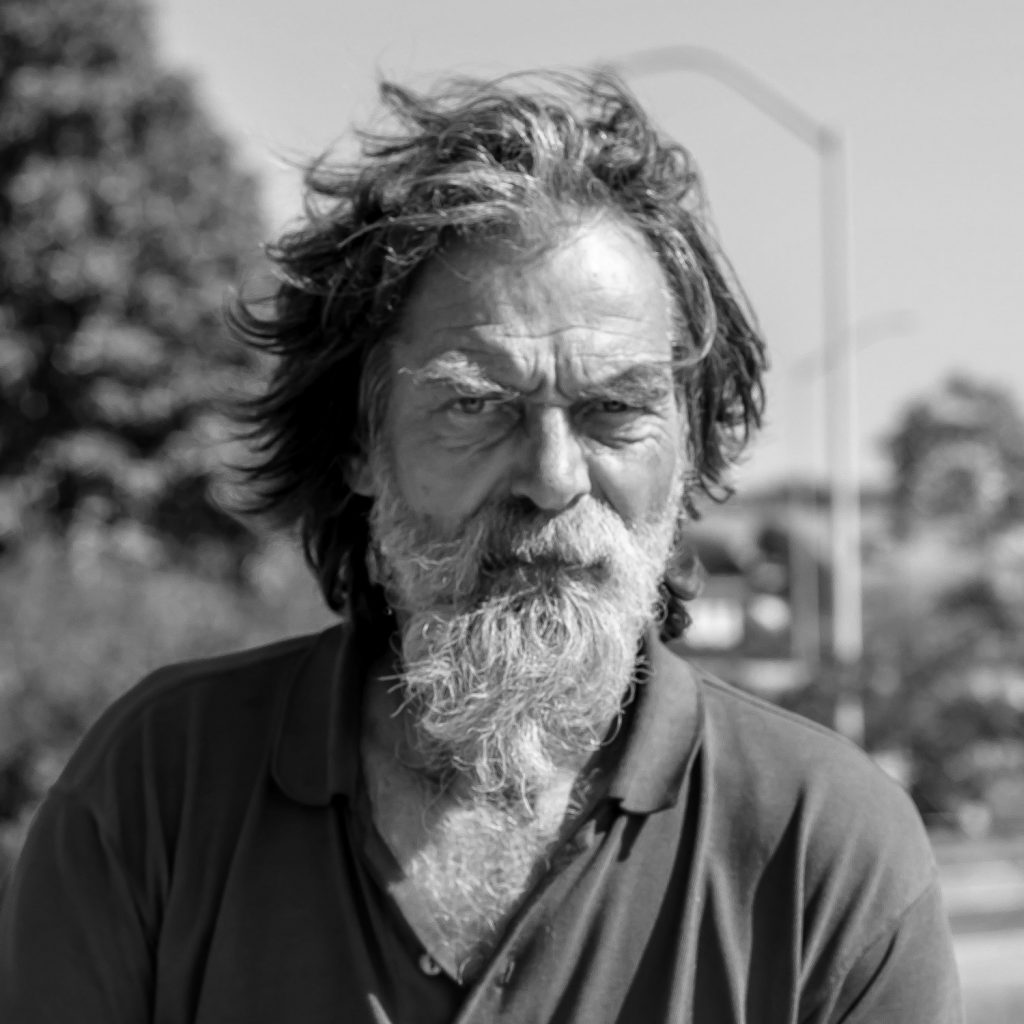
Older homeless people have far more trouble with depression, eyesight, hearing, balance, and performing average daily activities such as bathing or dressing than housed people their age.
Another issue is that many housing options are not set up to support a person that cannot increase their income. Homeless seniors most likely have only SSI income, which means that they would not qualify for anything at Market Rate prices. Skilled Nursing Facility rates are so high that the person would need to pay nearly all their income. Not to mention, those between the ages of 55 and 61 are already experiencing the geriatric conditions of a senior, but are not old enough to qualify for social security.
Older homeless
adults frequently wind up in the hospital for conditions that could have been
easily prevented with adequate care, and ultimately cost communities more money
than it would take to provide them with housing. If an older homeless person is
released from a hospital, there is no respite support available to them when
they no
longer need hospital treatment but are too sick to live safely in a shelter.
These people will most
likely wind up back in the Emergency Room.
Due to their unique needs, older homeless people are harder to house
and once housed, it is harder for them to maintain their housing and stay
independent. When housing those with disabilities, we often need to
"convert" a unit with the addition of ADA compatible necessities such
as shower grab bars or a wheelchair ramp.
Please help us support the seniors in our community that are struggling to find and maintain housing.
How your donation can help:
- $50 can purchase hygiene items for 1 person moving into a unit
- $150 can furnish disabled clients with ADA needs such as shower chair, grab bars, and non-slip mats
- $200 can purchase the first 3 weeks of meals for a household of 2 people
- $300 can purchase a month's worth of essential items to hand out to people living outside
- $600 can buy 70 monthly transit passes so clients can make it to appointments
- $2,500 can furnish an entire household, complete with bed, dresser, sofa, coffee table, dining table, and lamps